
Your Care at
Mercy Health Anderson Hospital
Badge
Badge
Badge
Leader
Badge
Honest information to help you choose and prepare
How to use this guide
Hospital Snapshot
Infant Care
How this hospital supports mamas and babies
- Tracks infant outcomes by race and ethnicity to identify gaps and improve newborn care
- Compared to the region, slightly more full-term babies need extra care here, and the hospital uses this information to keep improving care for babies and families
- Tracks and supports families with skin-to-skin care
- Provides daily breastfeeding support, earning a 4-Star Ohio First Steps for Healthy Babies designation
- Teaches families about creating safe sleeping spaces and helps them get a crib if they need one
What this means for you
Maternal Care
How this hospital supports mamas and babies
- More mamas who deliver here start prenatal care early compared to the regional average
- Helps mamas get prenatal care early and stay connected, offering extra support and follow-up when care starts late
- Helps with food, housing, transportation, safety, and emotional support
- Helps mamas quit smoking with tobacco treatment specialists and nicotine replacement options (gum, lozenges, patches, and tablets)
- Uses safety checks during labor to act quickly if complications appear
- Reviews maternal outcomes in clinical meetings to catch issues and improve safety
- Reviews recovery data to strengthen postpartum support and follow-up
- Welcomes community doulas as part of the care team during labor and birth
What this means for you
Community Care
How this hospital supports mamas and babies
- Connects mamas to community resources by zip code for food, housing, transportation, safety, emotional well-being, and baby supplies
- Connects mamas to a wide network of community partners, including Produce Perks Midwest, Shared Harvest, UFC Food Systems, and Interparish Ministries for food assistance, Housing Opportunities Made Equal and Strategies to End Homelessness for housing help, Mercy Health Financial Assistance, Mercy Health Partnership Program, and United Way 2-1-1 for financial support, Roundtrip and Lyft for transportation, and Women Helping Women and Butler County SANE for safety support
- Chooses and works closely with community partners who listen to mamas, help close health gaps, and build support around what they need during pregnancy and after birth
- Partners with community-led groups like Queens Village to center Black mamas’ voices in care and advocacy
What this means for you
Hospital Commitment
How this hospital supports mamas and babies
- Reviews maternal outcomes by race and ethnicity to find gaps in care and improve care
- Looks at patient feedback and satisfaction to understand what’s working and what needs to change
- Improves birth safety by participating in statewide and national safety programs, including the Ohio Perinatal Quality Collaborative and the Alliance for Innovation on Maternal Health, focusing on high blood pressure and postpartum hemorrhage
- Partners with the Queens Village Hospital Advisory Board to review progress on care improvements, share updates, and identify priorities
- Shares Mama Certified information throughout the hospital to reinforce its commitment to better care
- Supports staff through wellness programs and a fully staffed Labor & Delivery team
What this means for you
Commitment to Black Mamas and Babies
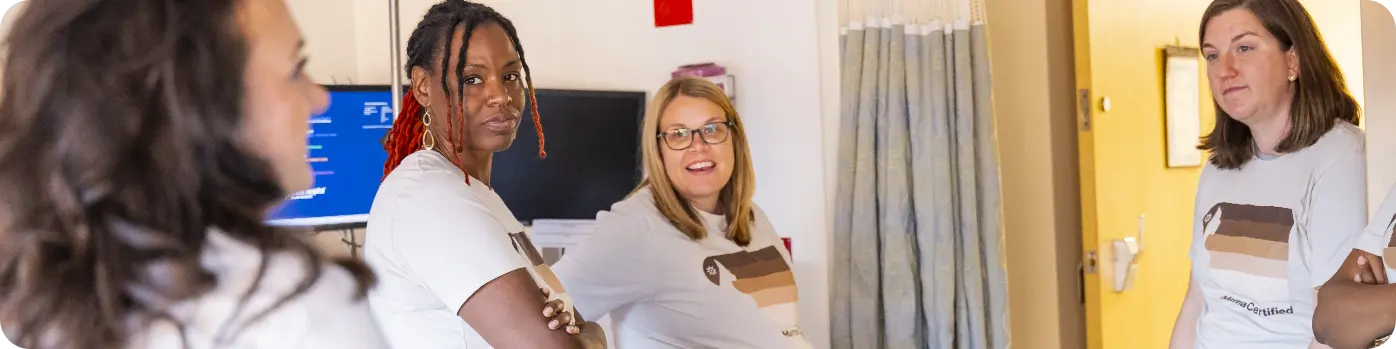
Mama Certified requires hospitals to listen to and learn from Black mamas and community partners. At Mercy Health Anderson Hospital, that happens through the Queens Village Hospital Advisory Board. This group brings mamas, community leaders, and hospital staff together to review experiences and guide improvements in birth care.
Who leads this work:
Nursing Manager, Labor and Delivery
Our commitment:
Community partnership
Black mamas and community partners help guide how care improves at this hospital through the Queens Village Hospital Advisory Board (QVHAB). The QVHAB brings together Black mamas, community partners, and Mercy Anderson Hospital leaders to improve birth care.
They share real experiences, review where care can be better, and guide changes that support safer, more respectful births for Black families. Their feedback helps shape hospital practices, birth plans, and staff training so care reflects what Black mamas say they need.
Co-creation in action
Because of the partnership with the Queens Village Hospital Advisory Board (QVHAB), Mercy Anderson:
- Shared maternal and infant equity efforts and gathered feedback from directly from Black mamas and community members
- Reviewed findings from the Mama Certified birthing experience study to better understand care experiences
- Identified a quality improvement priority focused on helping Black women access and maintain trusted primary care before, during, and after pregnancy
- Used community input to clarify opportunity areas and guide next steps for improvement
How this hospital listens to families
- Patient surveys and feedback
- Follow-up calls or visits after care
- Review of patient concerns
- Input from the community advisory board
- Mama Certified birthing experience study
- Changes made based on family feedback
- Mamas are encouraged to speak up during care
What this means for you
This partnership ensures that Black mamas play an active role in shaping how care improves. Your experiences help set priorities, guide staff training, and influence the policies and practices that support safer births.
It also means the hospital is held accountable through regular reviews, shared data, and ongoing collaboration, leading to care that is safer and more responsive to the needs of every mama and baby.
Question You Can Ask
How can I share feedback about my care?
Staff Training and Equity
- Offers a wide range of programs including Rightway for healthcare navigation and Spring Health for mental health support for employees and their household members
- Supports family care needs through Bright Horizons back-up care, paid parental leave for mothers and fathers, and adoption assistance
- Provides access to specialized health services including Maven Clinic for women’s health, Twin Health for metabolic health, and Vori Health for virtual orthopedic care
- Supports financial stability through Early Pay Your Way for flexible access to earned wages and Caring for Our Own, a hardship fund for staff facing unexpected financial challenges
Your Pregnancy Journey at Mercy Health Anderson Hospital
Before Delivery
Getting Prenatal Care Early (Before 13 Weeks)
Starting Prenatal Care Early
How support works here
- More mamas who deliver here start prenatal care early compared to the regional average of 60.50%
- Offers early prenatal care through in-network providers
- Helps mamas get prenatal care early and stay connected, offering extra support and follow-up when care starts late
How they help you start care sooner
- They listen early for what might make care harder, like transportation, and provide timely support including Lyft rides to help mamas get to prenatal visits
- They step in quickly when mamas need extra support, connecting them to providers, social workers, or outreach support so every mama gets the help she needs
Where support is growing
- Offers language support, in person or virtual, and free rides to appointments when transportation is a barrier
- Community Health Workers help mamas navigate insurance and remove everyday barriers that can make pregnancy and recovery harder
Why this matters
What this means for you
See more sample questions on the Advocacy & Resources page (to be commented out for launch)
During Your Birth
Your voice, your choices, and your support team (including your doula) should be part of your care. This section walks you through what usually happens during birth and how to ask for the care you deserve.
Every birth is unique, so your experience may look a little different from what’s shown here.
Your Care Team, Rights, and Support People
Your care team includes nurses, providers, and the people you choose to support you. This hospital uses a team-based approach so you can be part of decisions about your care.
Your Rights During Care
Know Your Rights
Doulas and Support People
Staff are trained to work with doulas as part of your care team so you have emotional and physical support throughout your birth.
What this means for you
A doula provides emotional and physical support during labor and birth. A doula is not a medical provider.
How support works here
- Bring your doula to support you during labor, birth, and recovery, based on clinical setting and hospital guidelines
- Have your chosen loved ones, a partner, family member, or friend, by your side
- Support people, including doulas, may not be able to be in the operating room in all situations. Your care team will let you know.
Can my doula be with me the whole time?
See more sample questions on the Advocacy & Resources page (to be commented out for launch)
Your Birth Choices and Support
C-sections
Mercy Health Anderson Hospital tracks C-section rates for first-time, low-risk mamas and is working to safely lower unnecessary C-sections.
How support works here
- Tracks C-section rates for first-time, low-risk mamas
- Works to safely lower unnecessary C-sections
- Plans to review C-section data by race
Question You Can Ask

See more sample questions on the Advocacy & Resources page (to be commented out for launch)
Birth Safety
What this hospital focuses on
- Preventing dangerous bleeding
- Watching for high blood pressure
- Using safer labor and C-section protocols
- Tracking serious maternal complications
- Participating in OPQC and Ohio Department of Health
Question You Can Ask
See more sample questions on the Advocacy & Resources page (to be commented out for launch)
Planned Early Delivery (37–39 Weeks)
Mercy Health Anderson Hospital tracks C-section rates for first-time, low-risk mamas and is working to safely lower unnecessary C-sections.
Question You Can Ask
See more sample questions on the Advocacy & Resources page (to be commented out for launch)
Being Heard During Your Stay
What this hospital focuses on
- They ask for feedback through patient surveys
- They follow up with calls or visits after your stay
- Providers review any concerns you share
- A community advisory board lifts up the voices of Black mamas
- Through the Mama Certified birthing experience study, they hear directly from Black mamas and make care better where needed
What this means for you
Question You Can Ask
See more sample questions on the Advocacy & Resources page (to be commented out for launch)
Caring For Your Baby
Feeding Your Baby
This hospital supports you whether you breastfeed, pump, or need another plan. Why? Because your first days with your baby should feel cared for, not rushed. This hospital will explain your choices, offer guidance and respect no matter what feeding looks like for you.
How this hospital helps you feed your baby
- Provides daily breastfeeding support with feeding staff available day and night
- Recognized with a 4-Star Ohio First Steps for Healthy Babies designation for strong breastfeeding and family support
Question You Can Ask
See more sample questions on the Advocacy & Resources page (to be commented out for launch)
Skin-to-Skin and Bonding
How this hospital supports skin-to-skin care
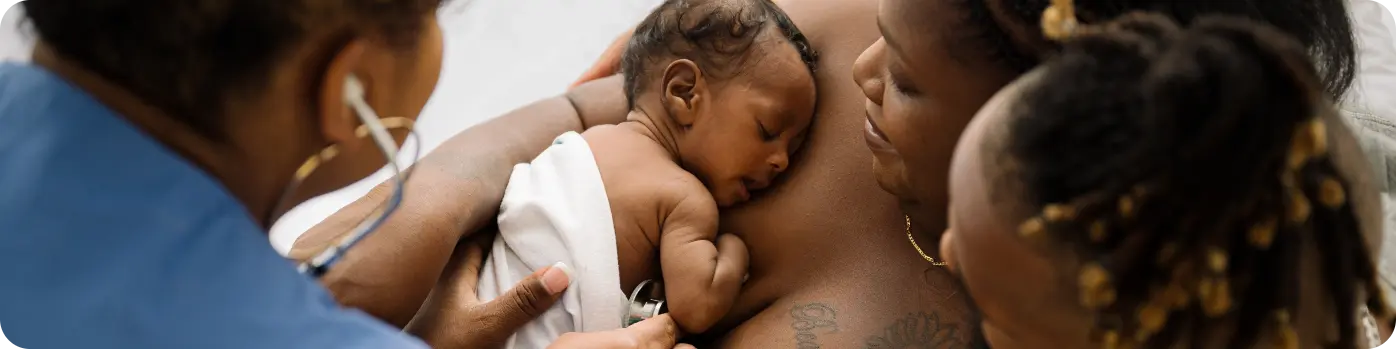
- Uses skin-to-skin care after birth to support bonding, early feeding, and your baby’s transition
- Tracks and reviews skin-to-skin care to make sure this support is provided consistently
Question You Can Ask
See more sample questions on the Advocacy & Resources page (to be commented out for launch)
If Your Baby Needs Extra Support
Some babies need more medical care after birth. If your baby needs extra support, this hospital is prepared to help.
When a baby needs extra care
- Has a Level II Special Care Nursery
- Reviews newborn outcomes during clinical meetings to reduce complications
- Provides additional monitoring and care for babies who need extra support after birth
- Coordinates next steps quickly if a baby needs specialized care or transfer to a higher level of support
- Explains what’s happening and what to expect in clear, plain language
Question You Can Ask
See more sample questions on the Advocacy & Resources page (to be commented out for launch)
Your Health & Going Home
Getting Ready to Go Home
Keeping you and your baby safe at home
Here’s how this hospital prepares you for going home
- Asks mamas and families about food, housing, financial support, safety, emotional well-being, transportation, and baby supplies
- Connects families to local programs including Produce Perks Midwest, Shared Harvest, UFC Food Systems, and Interparish Ministries for food assistance, Housing Opportunities Made Equal and Strategies to End Homelessness for housing help, Mercy Health Financial Assistance, Mercy Health Partnership Program, and United Way 2-1-1 for financial support, Roundtrip and Lyft for transportation, and Women Helping Women and Butler County SANE for safety support
- Teaches safe sleep steps before you leave the hospital
- Helps families get a safe crib if they need one
Question You Can Ask
See more sample questions on the Advocacy & Resources page (to be commented out for launch)
Your Healing After Birth
How this hospital helps you heal after giving birth
- Provides care instructions for your body and your baby
- Talks to you about warning signs you should watch out for
- Tells you who to call for help
Question You Can Ask
How do I know if my healing is on track?
See more sample questions on the Advocacy & Resources page (to be commented out for launch)
Support for Your Emotional Health
Feeling sad or overwhelmed does not mean you are weak. It means you need support. Because postpartum depression is common (and treatable), this hospital asks about mental health and follows up when concerns appear.
How this hospital supports your emotional health
- The hospital asks about your emotional health before you go home
- If these check-ins show you may need extra support, the hospital connects you with social workers and mental health support
Question You Can Ask
See more sample questions on the Advocacy & Resources page (to be commented out for launch)
Planning Ahead
Family planning and birth control
- Provides education about birth spacing and recovery as part of postpartum care
- Helps connect you to follow-up care and family planning services through affiliated outpatient providers
Question You Can Ask
See more sample questions on the Advocacy & Resources page (to be commented out for launch)
Have Questions or Concerns?
At Mercy Health Anderson Hospital
This hospital has patient advocates, social workers, and care team members who can help if you have questions, concerns, or something doesn’t feel right.
At Mama Certified
We want to hear from you too. Whether you have questions about this guide, want to share your experience, or just need someone to listen, we’re here.
What it Means to Be Mama Certified
What Mercy Health Anderson Hospital Earned
Mercy Health Anderson Hospital has earned Leader status in all categories for 2025—the highest level of Mama Certified recognition.
Badge
Badge
Badge
Badge
This hospital is a Mama Certified Leader because they are:
- Honest and transparent about their results
- Support your whole life, not just your medical care
- Find and fix gaps in care that affect Black mamas
- Listen to Black mamas and community voices and use that feedback to improve
About the Data Behind This Guide
Data sources
Update cycle
Updated annually